Understanding the rhythm of nature can give you a significant advantage in pest prevention. Just like humans, pests have seasonal habits, driven by food, shelter, and breeding cycles. Knowing your seasonal pest control calendar UK allows you to be proactive, safeguarding your home before infestations take hold.
Spring: The awakening (March, April, May)
As temperatures rise, pests emerge from dormancy.
- Wasps: Queens begin to build new nests, often in lofts, sheds, or wall cavities. Early detection is key for easy wasp nest removal.
- Ants: Scout ants appear, looking for food sources. They’re often attracted to sugary spills.
- Mice: While active all year, spring can see increased outdoor activity as they search for food, potentially leading to new indoor explorations.
Pest prevention checklist by month (spring): Seal small cracks, remove outdoor food sources, check bins for tight lids.
Summer: The peak (June, July, August)
Longer, warmer days mean peak activity for many insects. This is prime wasp season in the UK.
- Wasps: Nests grow rapidly, becoming large and highly active. Wasps become more aggressive as nests mature.
- Flies: Warm weather encourages flies to breed quickly, often attracted to food waste.
- Clothes moths: Increased activity as they look for natural fibres to lay eggs.
- Ants: Large colonies form, with trails leading to food sources inside your home.
Pest prevention checklist by month (summer): Inspect roofline for wasp nests, keep food covered, use fly screens, protect stored clothing.
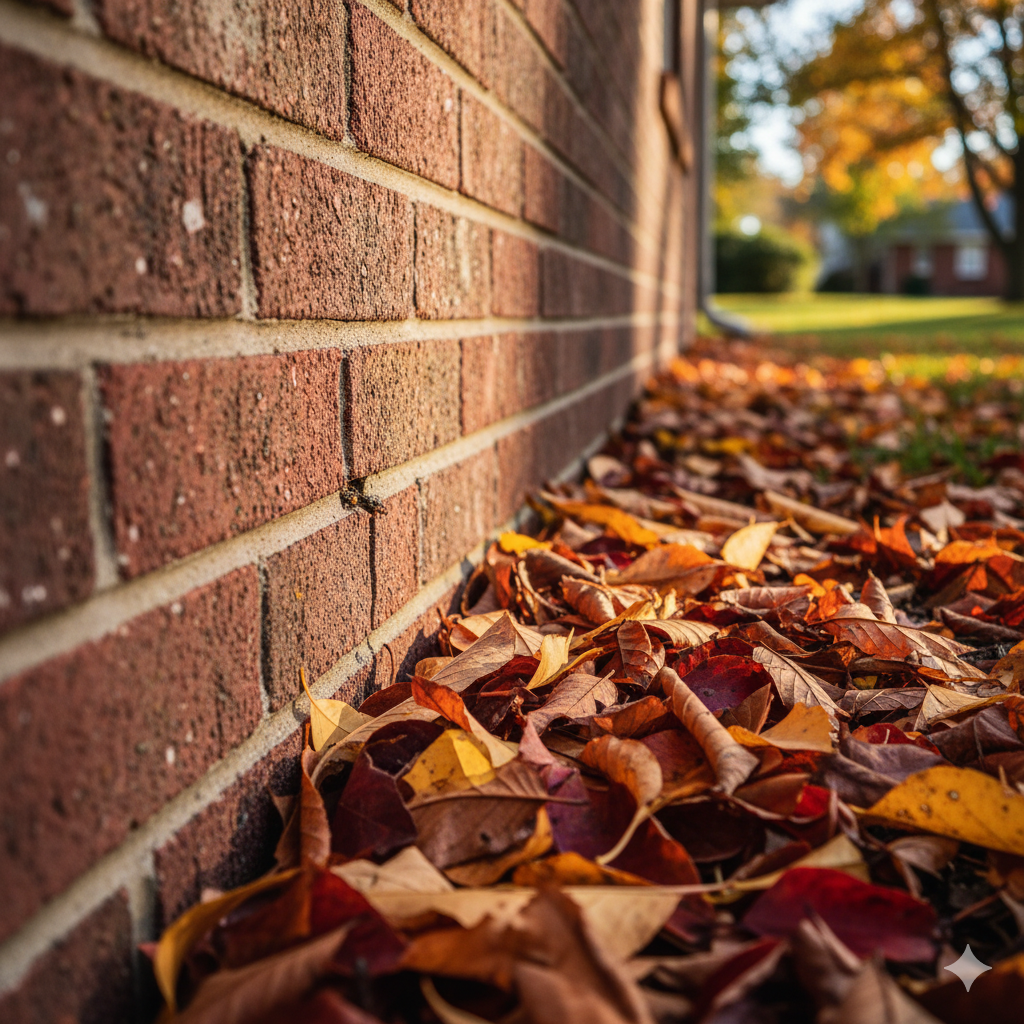
Autumn: The invasion (September, October, November)
As the weather cools, rodents seek warmth and shelter indoors. This is when rats enter houses in the UK.
- Rats and mice: This is the peak season for rodents to enter homes, seeking refuge from the cold. They exploit small gaps around pipes, under doors, and in foundations.
- Spiders: Often more noticeable as they come indoors for warmth and to mate.
- Cluster flies: Swarm into lofts and wall cavities for hibernation.
Pest prevention checklist by month (autumn): Thoroughly check and seal mouse entry points around your home, tidy up outdoor clutter, trim vegetation away from the house.
Winter: The hidden threat (December, January, February)
Many pests remain active, simply relocating indoors. This is when mice are most active inside.
- Rats and mice: These pests are very much active, breeding and feeding within your walls, lofts, and under floorboards, often remaining hidden. The urgent need for rodent proofing house UK peaks.
- Fleas: While outdoor activity reduces, fleas can thrive year-round in warm indoor environments.
Pest prevention checklist by month (winter): Listen for unusual scratching noises at night, check for signs of rats in wall cavity, ensure pet flea treatments are up-to-date.
Why use Rated People for seasonal pest control?
Staying ahead of seasonal pests means proactive prevention and swift action when needed. Our platform connects you with experienced pest controllers who understand the seasonal pest control calendar UK. They can offer preventative advice, conduct thorough pest inspection checklists, and provide targeted treatments, giving you peace of mind all year round.
With Rated People, you have the power to get it done. Find a trusted, local tradesperson today.
Leave a Reply