Heating historic homes: Solving the central heating challenges in Victorian and Edwardian properties

Victorian and Edwardian properties are cherished for their generous proportions, high ceilings, and stunning period features. However, these same characteristics—coupled with solid walls, suspended timber floors, and single-glazed sash windows—make them notoriously challenging to heat. For homeowners looking to install central heating in old houses or upgrade existing systems, the goal is twofold: achieving cosy, consistent warmth while preserving the property’s architectural integrity.
1. The critical first step: Insulation and draught proofing
Before spending heavily on a new boiler or heat pump, the most cost-effective way to heat large old houses efficiently is to focus on stopping heat loss.
- Draught-proofing is paramount: Victorian and Edwardian homes are inherently ‘leaky.’ Seal gaps around sash windows, external doors, skirting boards, and pipework. Use chimney balloons or capping solutions for unused fireplaces, as heat escapes rapidly up the flue.
- Insulate the loft: Heat rises, making loft insulation a non-negotiable priority. Ensure any existing mineral wool insulation is topped up to modern recommended depths (e.g., 270mm).
- Floor insulation: Period homes often have suspended timber floors, allowing cold air to flow freely beneath the floorboards. Lift a few floorboards to install a breathable insulation solution (like mineral wool or blown-in cellulose) secured by netting between the joists. It is vital to maintain the sub-floor ventilation (air bricks) to prevent damp and rot.
- Windows: For properties where full double-glazing is restricted by conservation rules, secondary glazing is the most effective solution. It provides thermal and acoustic insulation without altering the external appearance. Alternatively, thick, interlined curtains can make a huge difference, especially over large bay windows.
2. Choosing the best heating system for a period property
Once the home is adequately insulated, the central heating system can be upgraded to work efficiently.
Modern boiler upgrades
For properties connected to the gas grid, a high-efficiency condensing gas boiler remains the most practical and cost-effective choice. Modern condensing boilers are compatible with existing radiator systems and provide fast, high-temperature heat output needed for large, high-ceilinged rooms.
Low-carbon alternatives
For homeowners prioritising sustainability, low-carbon solutions are increasingly viable:
- Air source heat pumps (ASHPs): ASHPs are highly efficient but perform best in well-insulated homes. They produce heat at a lower temperature than boilers, meaning they usually require oversized radiators (or underfloor heating) to adequately heat large spaces. This may require an upfront investment in larger emitters, but offers significant long-term energy savings.
- Ductless mini-splits: These are a fantastic solution for large houses without existing ductwork. They provide zone-specific heating and cooling, offering precision control and avoiding the major disruption of installing pipework or ducts throughout the house.
3. Radiators and heat emitters: Marrying style and efficiency
The choice of radiator is crucial for achieving high heat output in expansive Victorian rooms while maintaining period authenticity.
- Cast iron radiators for Victorian houses: The original cast iron radiators are ideal. They retain heat for much longer than modern steel panels and offer a significantly higher heat output (BTU) required for older homes. Modern replicas or refurbished originals are designed to work seamlessly with new, efficient boilers.
- Oversize for efficiency: Whether you choose traditional cast iron or modern column radiators, it is always recommended to slightly oversize radiators in old homes. This allows the system to run the boiler at a lower, more efficient temperature while still warming the room comfortably.
- Underfloor heating: While complex to install, underfloor heating is an excellent option for ground-floor renovations, especially in tiled areas. It offers even, gentle heat and avoids the visual intrusion of radiators, perfect for maintaining a period aesthetic.
4. Smart controls and maintenance
A well-chosen system is only half the battle. To make sure you are heating your period property efficiently, modern controls are essential.
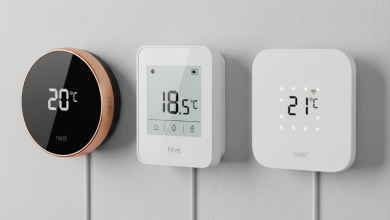
- Smart thermostats and zoning: Installing smart thermostats allows you to control the temperature remotely and, more importantly, create heating zones. This is perfect for large properties where you may only need to heat living spaces during the day and bedrooms at night, avoiding the waste of heating unused parts of the house.
- Regular servicing: Ensure your boiler, whichever type you choose, is serviced annually by a heating professional. For older homes, regular system flushes (powerflushing) are critical to remove sludge and debris that can accumulate in the pipework and old radiators, causing noise and drastically reducing efficiency.
With Rated People, you have the power to get it done. Find a trusted, local tradesperson today.